Cyclical Problems of Women

Catamenia refers to the menstrual cycle.

Just like the menstrual cycle that happens every 30 days for most women, certain afflictions affect women on a monthly basis. Thankfully, they are not very common but when they happen, they can be quite serious and even live threatening for those affected. Let’s talk about this and other common and potentially very serious problems that affect women in a cyclical manner.

Women have their periods every single month due to the cyclical nature of hormones, secreted by the pituitary to which the ovary responds and produces oestrogen and progesterone in a cyclical manner. Sudden withdrawal of the stimulation from the pituitary gland, leads to the degeneration of the innermost lining of the uterus call the endometrium and its expulsion outside along with blood, and this is what constitutes the menses.
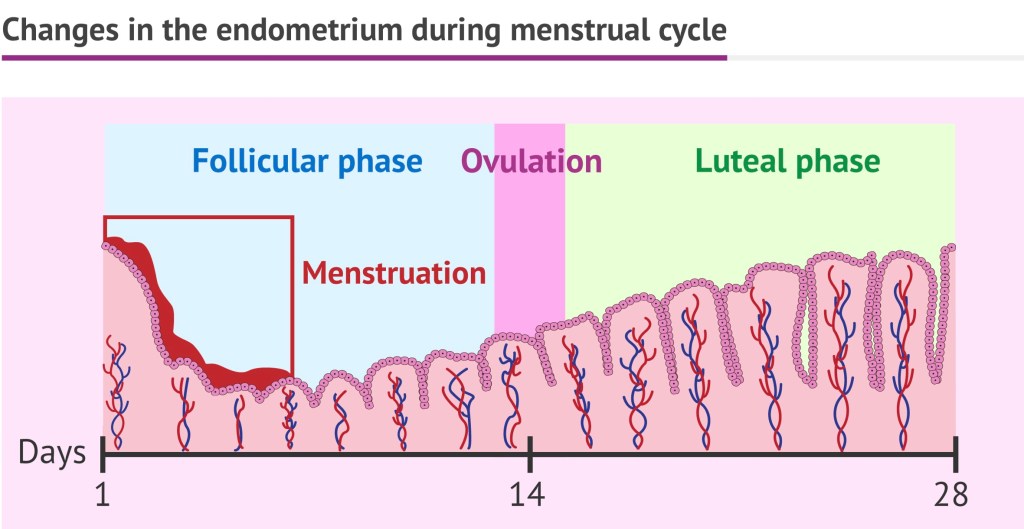
Under the effect of the same hormones, some women suffer from the following conditions:

1. Dysmenorrhea

2. Premenstrual syndrome – premenstrual tension and premenstrual dysphoric disorder.

3. Cyclical oedema of women

4. Catamenial epilepsy

5. Catamenial Migraine.

6. Catamenial Pneumothorax

7. Catamenial Anaphylaxis

1. Dysmenorrhea – or painful menstruation is a common problem for women in their reproductive years. When severe it can seriously impair the quality of life and affect daily activities. Primary dysmenorhea occurs in the absence of pelvic disease in adolescents and young women. Secondary dysmenorrhea occurs in the presence of other pelvic disease such as endometriosis, adenomyosis or fibroids. Dysmenorrhea can also occur in the presence of pelvic infection (pelvic inflammatory disease).

Treatment would include simple analgesic (paracetamol) and NSAIDs (non steroidal antiinflammatory drugs such as Ibuprofen, Mefanemic acid and Naproxen) to start with. TENS (transcutaneous electrical nerve stimulation) and hormonal therapies (oral contraceptive pills) may be tried.

2. Premenstrual tension syndrome: refers to the physical and psychological symptoms that start anywhere from a few days to 2 weeks before the onset of the menses. The symptoms include mood swings, food cravings, fatigue, irritability, depression, sadness, crying loss of interest in sex and breast tenderness and bloating.

Treatment: these symptoms can be reduced by taking up to 2 gram of calcium per day and magnesium supplementation and by reducing water intake. Vitamin E can also be useful.
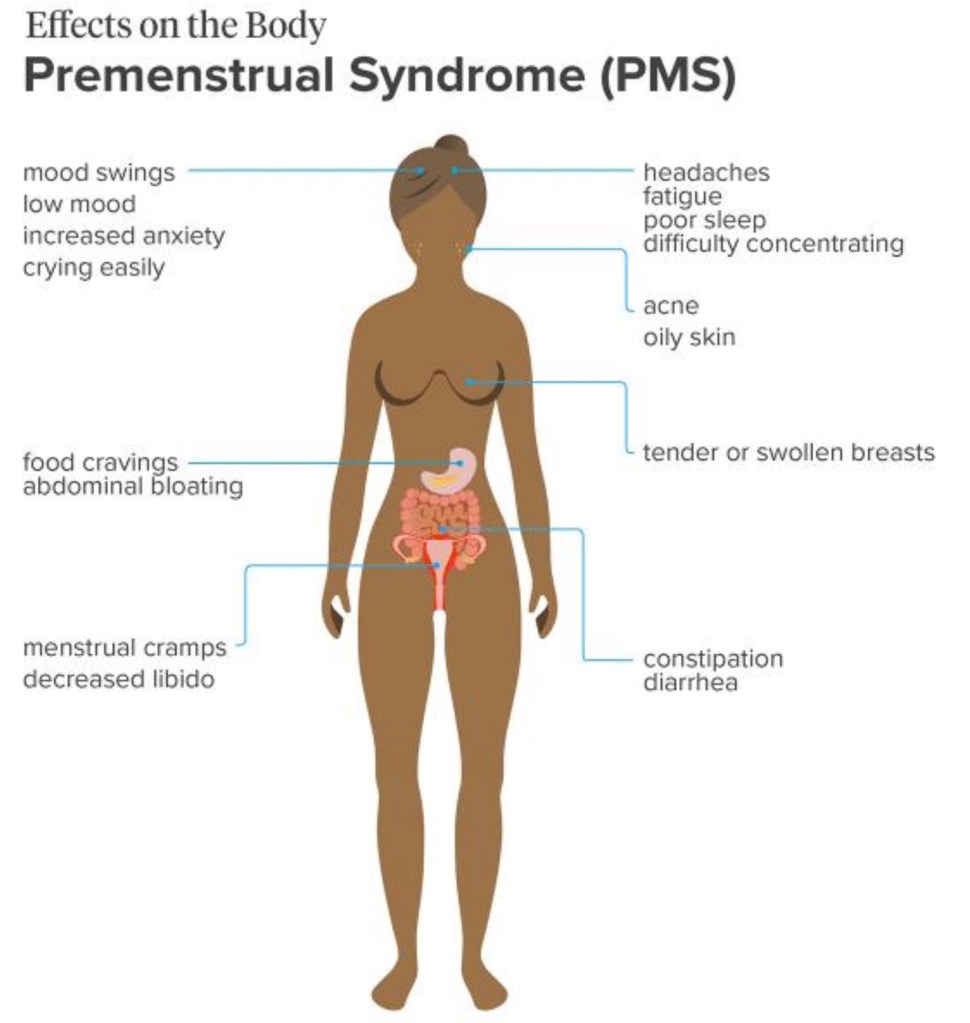
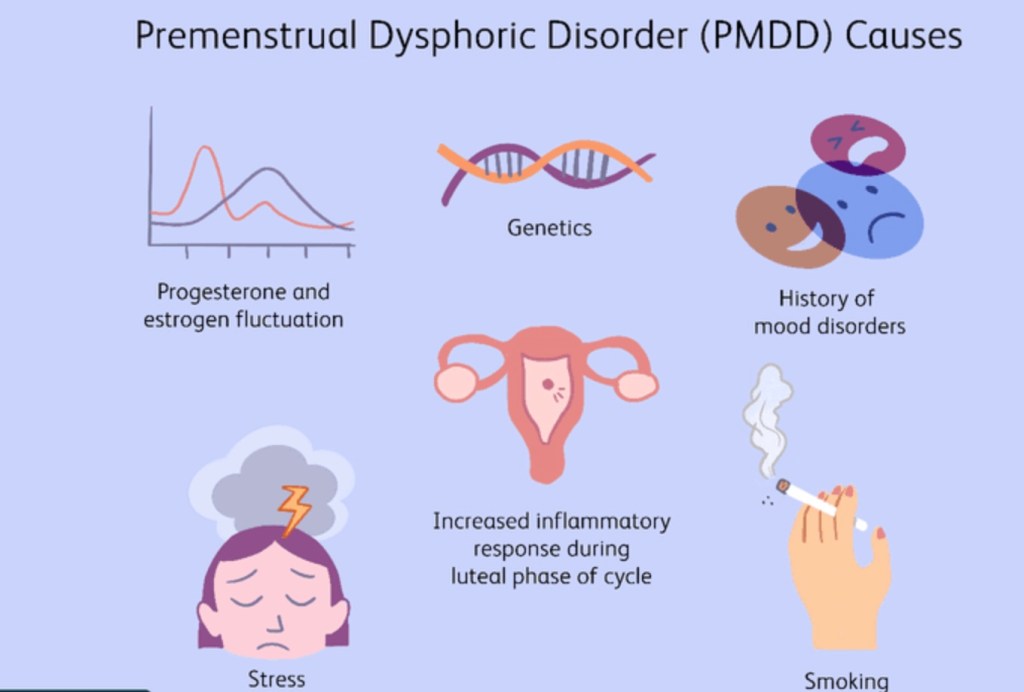
Premenstrual dysphoric disorder: PMDD refers to severe disabling mood swings and is considered a severe form of pre-menstrual (tension) syndrome. Often the physical and behavioural symptoms do not resolved with the onset of menses. Symptoms in addition could include anxiety and panic attacks, suicidal thoughts, headaches and insomnia. SSRI antidepressants and combined oral contraceptive pills may be prescribed along with cognitive behaviour techniques provided by a counselling psychologist.
3. Cyclical oedema of women refers to retention of fluid in the orthostatic position I.e., in the standing position. People develop swelling of the face, hands, breasts, abdomen and legs with a real weight gain; all made worse during the day time when the person is standing and moving about. This weight gain can be as high as 4 kgs in 24 hrs. Ladies with this condition may experience facial swelling on waking up in the morning or difficulty in removing their rings from their fingers. This extra water retention responds to the use of diuretics (spironolactone) and reduced time standing.

4. Catamenial Epilepsy– up to 40% of women have a worsening of seizures in relation to their menstrual cycle. Although rare it happens under the influence of the female hormones. It can happen throughout the cycle but based on the time of occurrence it is divided into three types. C1 refers to perimenstrual seizures. C2 refers to seizures that happen at a time of ovulation, in the middle of the cycle. C3 refers to what happens during the luteal phase of the menstrual cycle.

About 75% of all seizures occur in a 10 day period, four days before and six days after the onset of menses. It is thought that withdrawal of progesterone derived GABAminergic neuro steroids triggers off the seizures. The seizures could either be partial or generalised. The seizures are primarily treated with anti-epileptic drugs but when they can’t be controlled combined contraceptive pills may be added.

5. Catamenial migraine: refers to the occurrence of a worsening headache around the time of the menstrual period. It usually occurs within two days before or three days after the periods. It is believed to occur due to a drop in the estrogen levels. It is quite similar to migraine happening at any other time. It could be associated with aura or not. 60% of migraine headaches could occur around the time of the periods.

Treatment includes NSAIDS, beta-blockers, tricyclic antidepressants and ergotamines and tryptans – just like migraine treatments at any other time.

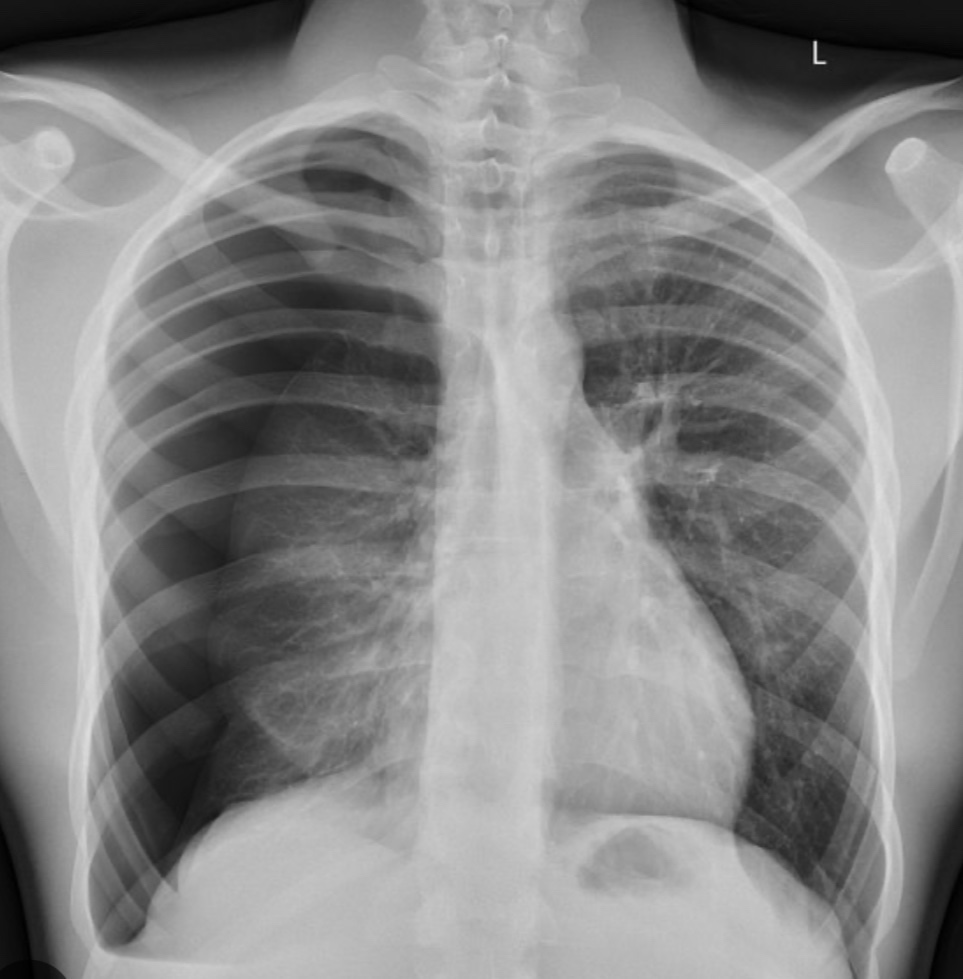
6. Catamenial Pneumothorax: this refers to the recurrent accumulation of air in the pleural cavity in women of reproductive age in the absence of concomitant respiratory disease. Typically pneumothorax occurs 72 hours before or after the periods. It caused by the implantation of ectopic endometrial tissue in the pleural space,as a part of endometriosis. It caused pneumothorax more often on the right side. To make this diagnosis it is necessary to have two episodes of pneumothorax associated with menses.

Treatment- take me to include Pleurodesis, surgery to resect out the endometrial tissue adherent to the pleura followed by oral contraceptive pill treatment.
7. Catamenial Anaphylaxis – refers to a rare anaphylactic syndrome occurring during the second phase of menstruation and is characterised by dermatitis, urticaria, angio oedema and asthma and cardiovascular collapse. It usually happens before menstruation and is believed to occur due to hypersensitivity to progesterone and to the vasoactive component in menstrual fluid such as prostaglandins. Most tests of anaphylaxis such as complement assays, serum tryptase and tests for carcinoid and phaeochromocytoma usually return negative.

Treatment – Indomethacin which inhibits prostaglandins is beneficial.

With so many problems happening monthly, it is essential for all women to have a good gynaecologist to help them cope with effective treatments.
Diet and Health

Turmeric maybe as effective as omeprazole for dyspepsia.
In a small study done from Thailand, researchers randomly assigned 206 patients with functional dyspepsia into 3 groups, one who received curcumin (turmeric), 250 mg 4 times a daily, or omeprazole (20mg once daily) or both together. Omeprazole is a commonly used antacid available OTC! Once the study was started patients were checked for functional dyspepsia on Day 28 and Day 56. All three groups had good reduction in severity of symptoms. There was no additive effect in using curcumin and omeprazole together and the symptom improvements were even stronger on day 56 as compare to on day 28.
To conclude, turmeric at 1 g per day dose was nearly as effective as medication in treating patients with functional dyspepsia (sensation of bloating, indigestion in the absence of gastritis or gastric ulcer).

Ginger consumption may mitigate neutrophil dysfunction
This was a very small study which recruited nine healthy adults less than 40 years of age to receive hundred milligrams of oral ginger supplement daily for seven days. The blood samples were taken at baseline and on day seven and 14. The researchers measured neutrophil extracellular trap formation, an indicator of inflammation. The results showed that there was reduced NETosis in all nine adults who took the ginger supplements.
To conclude, this study showed that ginger has a potential biological role to reduce inflammation in humans.

Asian food has plenty of turmeric and ginger in it. This might be one reason to continue to eat our traditional foods regularly in place of the usual fast foods that we have so gotten used to eating.

Artificial sweeteners in processed foods tied to increased depression risk
All of us living in cities have gotten used to a diet that is high in ultra processed foods (UPF), including those foods that contain artificial sweeteners such as fizzy drinks, cookies, chips, sauces, ready to eat meals and packaged pastries, many breakfast cereals, candy etc. In a study done on nurses they found that those who consumed more than eight servings of the above kind of foods had a 50% higher risk of developing depression than those who consumed four or fewer servings of ultra-processed foods with artificial sweeteners. Animal studies have shown that artificial sweeteners may trigger the transmission of particular signalling molecules in the brain that are important to mood. This could also impact the ability of individuals to limit the intake of such foods. Artificial sweeteners have also been associated with diseases that are caused by chronic inflammation including depression.

Probiotics improve nonmotor symptoms of Parkinsons
In this study done in London, a total of 74 patients were randomly assigned into two groups which were well matched for social demographic, Parkinson’s disease and constipation related characteristics. Half were given a probiotic containing supplement including Lacticaseibacillus rhamnosus, Enterococcus faecium, Lactobacillus acidophilus and Lactiplantibacillus plantarum. They found that those treated for three months with a probiotic supplement not only had lesser constipation and improvement in gut microbiota, but also a greater effectiveness of Parkinson‘s treatment with a quicker “time to on“ of treatment given. Apart from reducing constipation, nonmotor symptoms such as sleep and fatigue also improved in those who received the supplement.

Are you losing your marbles?

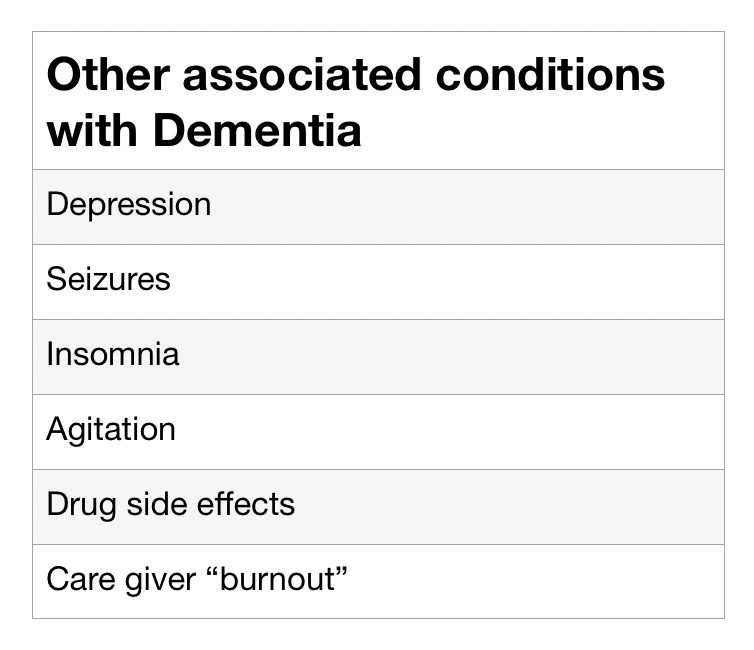
Dementia is a fairly common condition and it is quite possible that many of us have come across a person with dementia in our own families. Modern medicine is pushing the barriers of science and is helping people live longer. It is this increased longevity that is believed to increase the incidence of dementia. Having a few people of dementia in the family and seeing how disturbing it is for everyone else, I thought of writing an article to give some additional (and hopefully more clear) information for those who have to deal with patients of dementia. I had also recently read an article about foods that may help memory. But before we go into what dementia is all about, let me just talk about three people who have memory issues (Cognitive impairment).

The first patient is a 90yrs old who slowly started losing her memory about 10 yrs ago. It reached such a degree of severity that she couldn’t recognise her own daughter, would chase away her grandchildren and hide other peoples mobile phones when they came home. As things happened, she developed what is called a complete heart block about 5 years ago, for which she underwent a permanent pacemaker implantation theryby prolonging her life. Today her condition has deteriorated to an extent where she needs help for all activities of daily living including eating and cleaning up 24 X7!

The second patient is an 85yrs old who has been losing her memory slowly over the last 2 years. This lady had always been so happy, cheerful and positive that it was very difficult for some of her family to accept that she is losing her intellect. She would forgets names of people and had also started forgetting that she had already taken her meal. She would even joke that her maid was good enough to remind her that she has already eaten. She would cheerfully gives excuses for her lapses in memory and would repeat what she has said frequently during the conversation.

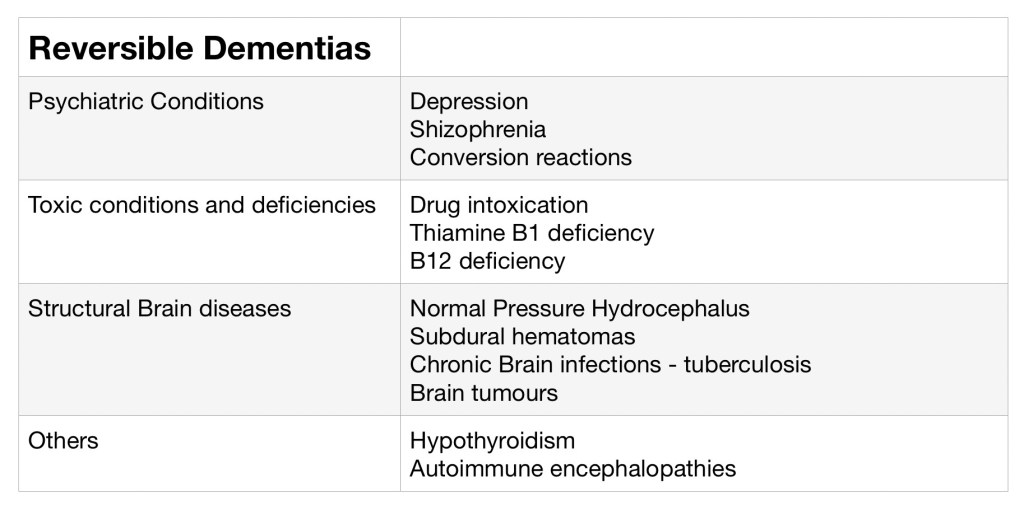
The third patient is a recently retired vice president for marketing of a large company who developed memory issues. He was particularly disturbed as he intended to continue work as a consultant in his field. He gave a history for a lifetime of smoking and drinking alcohol. He was started on medications after which he showed a significant improvement in memory and thinking. My diagnosis and that of the neurologist who saw him later, might have been wrong as dementia is usually a relentlessly progressive and irreversible disease.

So what is dementia?

Dementia refers to a progressive and permanent (irreversible) loss of intellectual function, severe enough to compromise normal functioning in society.

Dementia usually begins above the age of 60 years and may roughly be classified into three groups: early onset – below the age of 65 years, presenile – between ages of 65 and 75,and senile dementia – that occurs above the age of 75 years. This classification is not particularly useful other than to indicate that investigations are definitely warranted the younger the onset of memory loss.

I was reading a book recently where the author was describing the 4 ailments that affect longevity, as the 4 horsemen. They include Neurodegenerative disease (including Dementia), Cardiovascular disease (heart attacks and strokes), Diabetes and Cancer.

Alzheimer’s dementia is the commonest type(60-65%of all cases) of dementia and is quite uncommon under the age of 65 years. The incidence of Alzheimer‘s disease continues to increase as people get older.

The second most common cause of dementia is called vascular dementia and contributes 20 to 40% of all cases. This is a consequence of occlusion of the blood vessels of the brain causing dementia. Ischemic vascular diseases can reduce blood flow to critical areas of the brain reducing its capacity to process information. Hemorrhagic vascular disease due to high BP, trauma and other vascular abnormalities can affect brain function and cause dementia. Low oxygen levels can also damage the brain (as in patients with severe pneumonias seen during the recent Covid pandemic). This can also cause dementia and memory loss.

Diffuse Lewy body dementia can constitute 3.5- 7.5% of all cases and tends to present in people, 50 years and older. Sufferers would also have severe anxiety and psychiatric disturbances and have Parkinson’s features.

Frontotemporal dementia occurs in 2% of all the patients of dementia and is characterised by severe behavioural changes (disinhibition, hyper sexuality, impulsive with mood swings) speech and language disturbances such as reduced comprehension, reduced word output etc.

Dementia can also occur in association with Parkinson’s disease in the ageing population and heavy alcoholics (between the ages of 40 and 50 years).

Another common type of dementia seen is called Normal Pressure Hydocephalus which demonstrates a triad of dementia, gait abnormalities and urinary incontinence.

What are the signs and symptoms of dementia?

In dementia the brain function is progressively irrevocably and permanently lost. Typically people develop severe short term memory loss. Old memory (of the distant past) is retained until dementia progresses. People often forget names, things that they have eaten (and demand food soon after eating) and things that they hear etc.

People with dementia also have words finding and naming difficulties and quite often they may use pronouns or describe what a particular object is used for. Speech and language may be affected. Comprehension and word output may also be affected.

Many also suffer from visuospatial dysfunction when they may get lost in familiar settings and may get lost after going for a walk and may not be able to find their way back home. They could misjudge the distance of other objects in their path and knock them down when walking.

Executive dysfunction – The ability to carry out certain actions and organise their work may be seriously impaired. Poor judgement and easy distractibility is also seen.

Often, the sufferer may be apathetic and may withdraw into a shell. Frequently they have apraxia i.e., inability to perform a learned motor act in the absence of muscle weakness or sensory loss in the in a particular limb. For example, they may not know how to fold a newspaper or lock the door.

How is dementia diagnosed?

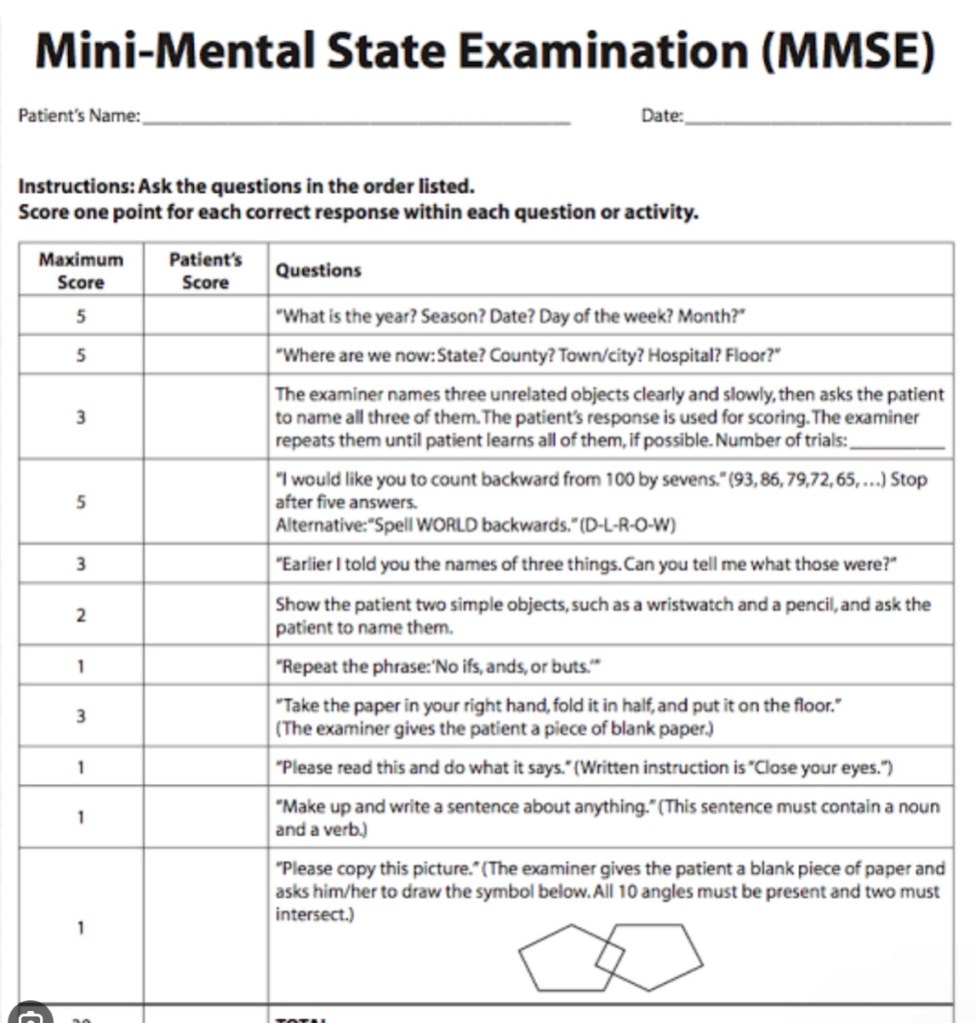
Many mental state examination (MMSE) can be done to assess the different components of a patient’s brain function where low scores (below 23) could indicate dementia. It is very easy to do this test and it can be repeated at a later time too.

While there are no diagnostic test for dementia, variety of tests are done in order to exclude other causes for poor memory and to differentiate the different types of dementia.

Common blood test that are done are- complete blood count, ESR,CRP, liver function test, kidney function test, thyroid function test, vitamin B12 levels, serum ammonia, urine complete, rapid plasma region (RPR), and HIV serology, spinal fluid analysis, Chest X-ray and neuro imaging (CT scan, MRI brain scan, pet CT brain scan (FDG), EEG may be done at the doctors discretion.

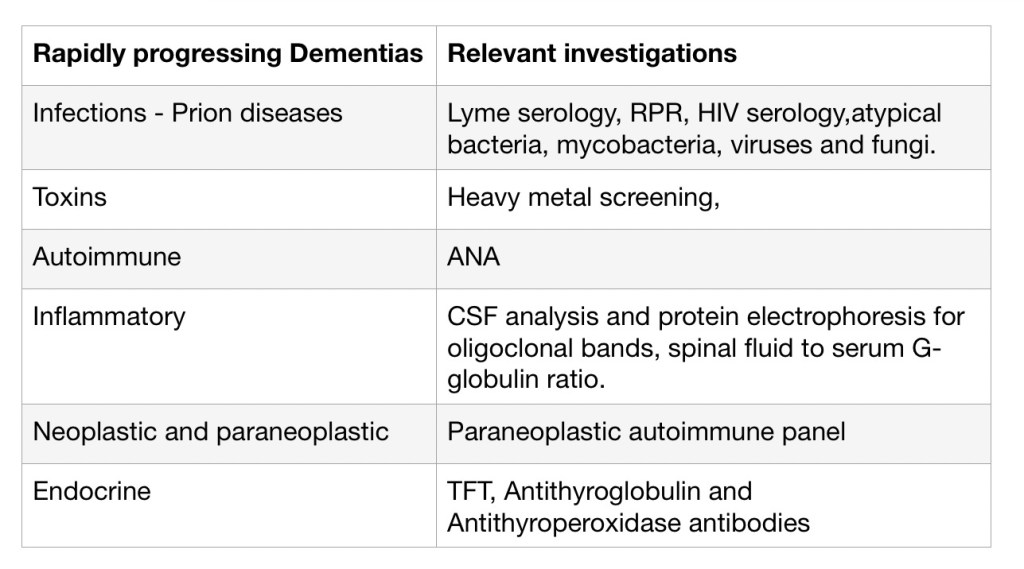
Causes for rapidly progressing Dementias

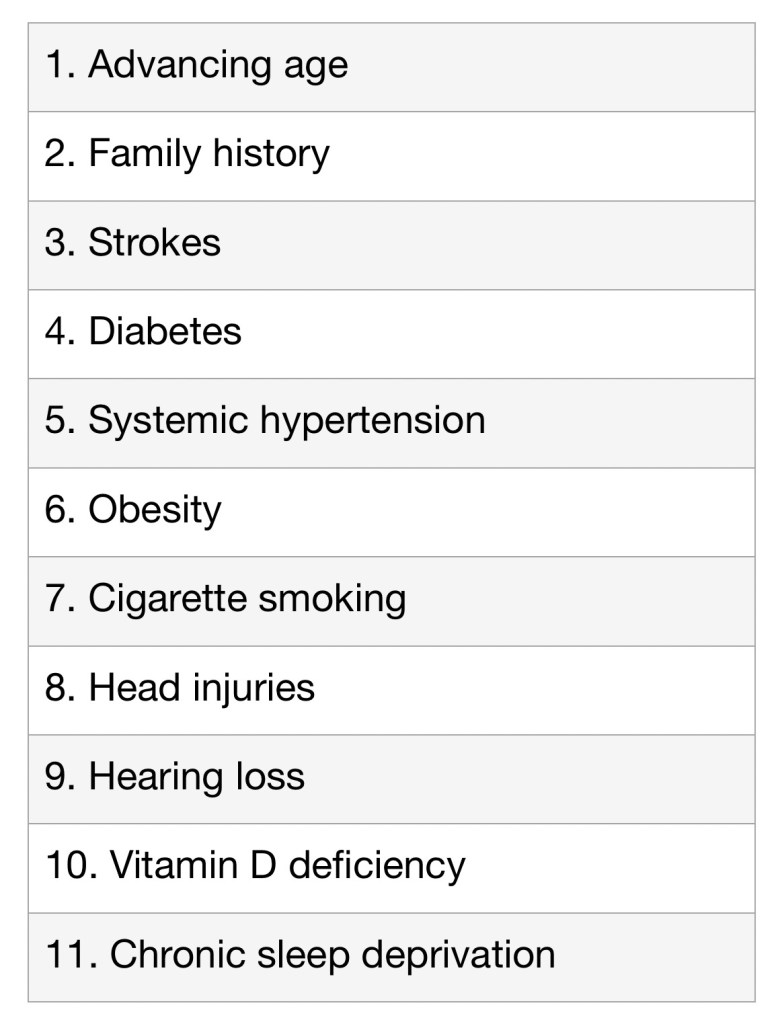
Risk Factors for Dementia

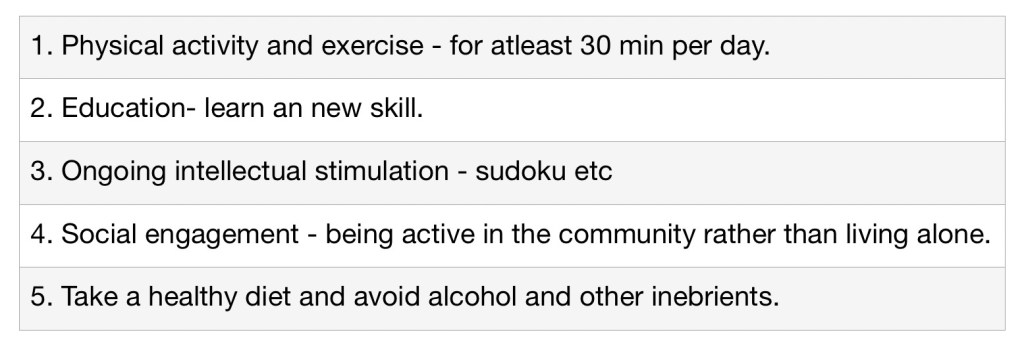
Factors that protect against Dementia

What else should someone with dementia do?

1.Help yourself to remember things. Ask if anyone else can help. Carry a notebook to write down things that need to be done, appointment that need to be kept. Use your phone or tablet to help you remember important dates.

2. Use a pill box to remind you of medicines that must be taken. Set an alarm on your phone to remeind you to take your pills on time.

3. Have your groceries delivered to you at regular intervals.

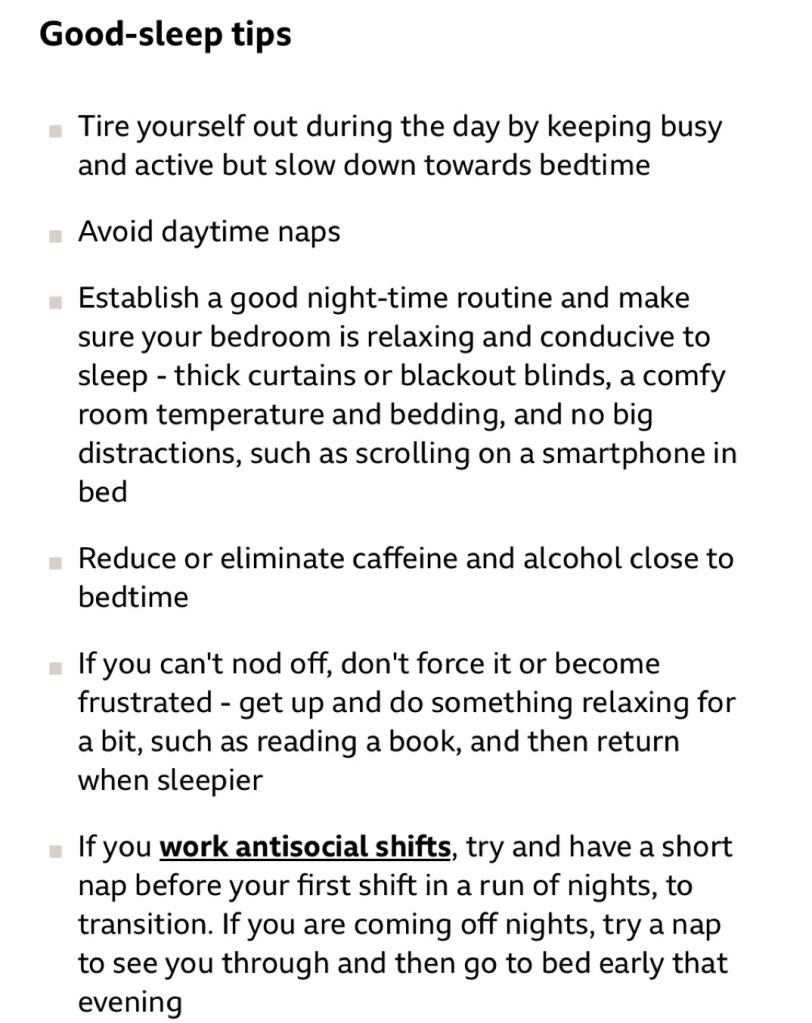
4. Avoid coffee or tea after 3 PM as this could affect your sleep. Develop the good habit of going to sleep at the same time every night. Reduce water intake and take your meds for you prostate regularly to avoid getting up after sleeping.

5. Keep a list of emergency phone numbers written down where it can be seen easily (on the wall). In case of an emergency display the contact number and name of your family member who should be contacted and who can come to help.

6.Keep a card in your pocket whenever you go outdoors mentioning your name, address and name of person (with mobile phone) who may be contacted in case of an emergency.

7. Make a will.

Foods that may be important to preserve memory!

There is evidence from recent study that increased intake of dietary flavonoids can boost memory and brain health. A recent study done in elderly people who took a higher amount flavonoids equal to one serving of green leafy vegetables per day had a 32% reduced decline in cognitive function. Three flavonoids are believed to be beneficial Kaempferol, Myricetin and Quercetin. Flavonoids can be found in vegetables such as onions, kale, lettuce, tomatoes and in fruits like apples, grapes, and berries, as well as in some teas and wines. In one study of 960 participants, average age of 81 years and followed up for seven years, they were required to to fill up an animal nutrition, questionnaire and complete shot in cognitive tests. The study found that one group had the lowest flavonoid intake (<5gm/day) and another had the highest flavonoid intake (15gm/day), the second group had a 32% lower rate of cognitive decline compared to the first group. They also found that ultra-processed foods, those high in sugar dairy products and salty fried foods upped the risk of dementia by 50%. Another study also showed that taking freeze dried cranberries equivalent to one cup of fresh fruit for 12 weeks was associated with improved memory in healthy middle aged and older adults. I have always believed that vegetarian food was healthier than a meat based one. I was quite happy to read this article which suggested that not only vegetarian food but had also identified the active component that brought about the beneficial effect.

What is the Prognosis of Dementia?

On an average a person with Dementia will live for 8-10 yrs.

Diet, Sleep, Health, chronic disease, Mood and the Gut Microbiome

Excerpts from the BBC – I hope that the BEEB wont mind too much that I have lifted a lot out of their articles. My apologies, but this article and blog is for limited circulation only. I read the BBC news to get an international opinion on world matters. Their non-newsy article are very informative and I would recommend them as a must read for most of you.

THE LINK BETWEEN WHAT YOU EAT AND HOW YOU SLEEP

Not sleeping enough can lead to a cycle of overeating and and can cause further sleep deprivation. There are some changes that happen in the brain when you get less sleep that put you on the path of overeating and weight gain. Although it may be reasonable to think that you would need more food and calories when you’re awake, sleeping is quite an active process which requires quite a bit of calories. When deprived of sleep, there is a tendency to eat 2 to 3 times more, the amount of calories that is required. Sleeping late affects appetite by controlling the hormones Leptin and Ghrelin. Leptin suppresses appetite and Ghrelin increases appetite. When you are deprived of sleep, leptin levels drop and ghrelin levels increase leading to an increase in the appetite, increased food consumption and weight gain. In a small study, they found that participants were more likely to crave sugary and salty foods and high carbohydrate foods when they were sleep deprived. Working in shifts therefore can disrupt this cycle and make you put on weight. Further eating at night can raise blood glucose levels and increase intake of unhealthy fatty, fried foods. So the wrong kind of food eaten in large quantities can put you at risk of developing diabetes.

Melatonin is a hormone that is produced during sleep and its levels rise in the evening. Melatonin is produced from an amino acid called tryptophan which comes from protein containing foods. So it would make sense that sleep can be affected by the kind of food that you eat at night or in the evening. Diet rich in fish, nuts, seeds contain tryptophan and certain specific vegetarian food such as tomatoes, tart cherries and Kiwi fruit which contain melatonin may help people sleep better. Foods that must be avoided before sleep are caffeine which is a stimulant and salty foods are can make you thirsty and disturb your sleep. There are also some who believe that sugary foods may disturb sleep more. The reasons for this still remain unclear.

WHY YOU SHOULD GO TO SLEEP AT THE SAME TIME ALL WEEK

Changes in sleep patterns, habits could lead to unhealthy changes in gut bacteria which may lead to disease. In one study done of thousand adults in London, they found that a 90 minute difference in the midpoint of your night sleep over the course of a normal week could influence the type of bacteria (increase the “bad” bacterial load) found in your gut. Your gut has both good and bad bacteria and if you had a large number of the bad bacteria that could lead to certain diseases. Further, those who slept later tended to have the wrong kind of foods, those that were rich in carbohydrates (and fried in oil) such as French fries, chips and sugary drinks, further increasing the content of the bad bacteria in the gut. They also tended to consume a lot less of the good foods such as fruits and nuts and tended to eat less fibre, all of which can be linked to weight gain, poor sleep, fatigue and illnesses. While the relationship between sleep, diet and gut bacteria is complicated and not fully clear, it is advised that you keep your sleep timings consistent and it is believed that this could improve your health and prevent disease.

HOW BACTERIA CAN CHANGE YOUR MOOD

Microbiome refers to the trillions of bacteria that live on and inside our bodies. Science is only now trying to put together how these trillions of microbes affect our physical health. All of us have experienced butterflies in our tummies before exams and job interviews. Groups of scientists now believe in the existence of “mood microbes or psychobiotics“ which can improve mental health. Scientists in Japan showed the “germ-free” mice – those that never came into contact with microbes put out twice the amount of stress hormones ( adrenaline, cortisol etc) when distressed than normal mice.

So how might the brain be affected by the bacteria in the gut?

1. The Vagus nerve extending throughout the length of the gastrointestinal tract conveys all messages to the brain from the gut.

2. The bacteria break down dietary fibre to produce short chain fatty acids (SAFA) which can affect the brain and the rest of the body.

3. The microbiome influences the immune system and this can also affect brain function. The gut bacteria are constantly entering the circulation via the portal vein which carries all absorbed nutrition from the intestines to the liver and then onwards to the rest of the body. The liver is an important immune organ filtering the blood entering from the intestines and clearing it of all the bacteria.

4. There is also some evidence that bacteria could produce tiny strips of genetic code called micro RNA that can alter the way the DNA works in the nerve fibres.

We live in a world where our bodies are constantly coming into contact with germs from the environment and which are constantly trying to enter our bodies. A healthy well balanced, microbiome (a diverse gut bacterial population) is a essential for good health. Studies done have shown that clinically depressed individuals have a narrow(er) spectrum of gut bacterial diversity. While this may not be the only cause for depression, this reduced diversity of gut bacteria may have a role in the development of depression. Certain lifestyle changes such as diets which are poor in fibre are known to weaken our gut bacterial population and diversity and could make us more vulnerable to depression.

There have been studies where “poo” from a depressed person, when transferred to a lab rat produced changes similar to depression in the lab rat. Similar changes have been noticed when poo from patients with Parkinson‘s disease was transferred to the lab rats which then demonstratted the worst symptoms compared to other lab rats which received faeces from healthy human beings. From this, it might appear that changes in the microbiome could also have an association with Parkinson’s disease. It may be safe to conclude that the gut microbiota affects the brain significantly and should highlight to us that we should ensure that we have a well-balanced diverse gut microbiota by eating healthy foods that are rich in fibre such as fruits, vegetables and nuts and reduce our intake of over-cooked processed foods such as fries, chips, cakes etc which have zero microbial benefits!

MORE THAN HALF YOUR BODY IS NOT HUMAN

Human cells only make a 43% of all cells in an adult body. The remaining 57% is called the microbiome i.e., the organisms that live on and inside the human body. The microbiome is essential for health. No matter how well you wash your body you can never remove all the bacteria that’s on the surface. The microbiome includes bacteria, viruses, fungi, and archaea (those previously misclassified as bacteria). The majority of the bacteria that make up the microbiome exist in the oxygen deprived corners of the human bowel. Surprisingly what makes us human, according to an experts is a combination of our own DNA plus the DNA of the gut microbes. It would’nt be wise to assume that we could carry so much of microbial load without our human cells interacting (talking) with them all the time. The human microbiome not only helps in digestion but also in the immunoregulation, generation of vitamins and micro nutrients and protecting against disease. As good and effective as Antibiotics are against a variety of bacteria, they can cause havoc amongst gut microbes by killing even those bacteria that are good for us. The imbalance thus caused may lead to issues such “antibiotic associated diarrrhoeas” and may also encourage the development of antibiotic resistance. It is for this reason that doctors are encouraged to use antibiotics sparingly and that too for the shortest duration. A diet of burgers and chocolate will not only affect your gut microbiota but affect the way food is metabolised (handled) and can increase your risk of obesity and other diseases of the digestive tract.

While we have already spoken about how fecal transplantation can affect lab mice there is also growing evidence that repairing someone’s microbiome can actually lead to remission of a variety of diseases including ulcerative colitis, a type of inflammatory bowel disease. Microbial medicine is still in its infancy, but our increasing knowledge of the gut microbiota could play a important part in the future in maintaining health, preventing disease or even treating disease.

FIVE HOURS OF SLEEP IS THE TIPPING POINT FOR BAD HEALTH

I usually tell my patients that they should get 7 to 9 hours sleep every night. There have been some studies to show that sleeping beyond nine hours a night can lead to disease too. In this article from the BBC, they talk about how, for those about age of 50 years, sleeping for less than five hours could increase the chances of multiple chronic health problems. In a study of about 8000 participants who were given a questionnaire and were asked about having chronic conditions such as diabetes, cancer, heart disease and were followed up for over 20 years– they found that in those who slept for five hours or less, the risk of multiple chronic ailmenents was 30% more compared to those who slept for seven hours. In the same group for people they found a higher risk of death mainly due to these chronic diseases. Sleeping poorly on a daily basis can affect your health. Causes need to be ascertained and treatments need to be given. Sleep disorder is a new speciality in medicine drawing doctors from varied specialties such as ENT surgery, Pulmonology and even Neurology! Disorders of sleep must be identified and cured.

Are you down in the dumps?

Depression is a common condition and can be described as a persistent feeling of sadness which affects the way we think, behave and live. While it is common for doctors to prescribe medication for depression, in this article I would like to discuss my perspectives and experience in dealing with depression.

Depression can occur from a variety of different provoking incidents such as a death, a financial loss or a failure in an examination ( Acute and chronic stressors). Whatever be the provoking cause, I look at depression as a situation where a person digs a hole in the ground jumps into it, cries for help and stays in the same hole as he refuses the help that is offered. I believe that there is a way to get out of depression without medication especially if one has the strong desire, mental strength and knowledge on how to do it. I love to quote the Eagles song “get over it” where Don Henley sings “ the big bad world doesn’t owe you a thing, get over it!” The realisation that it’s all up to you and that no one owes you anything and that it is up to you to stay happy, could be the start to your coming out of depression. So let’s look at what I think are important points to consider when you want to come out of depression.

1. Hope (work on your mind)– there is a popular saying that goes that you can live without food for up to a month, without water for up to a week, without air for a few minutes, but you won’t last even a few seconds without hope!

Your spiritual beliefs are extremely important for you to have hope in your life. Praying with the belief in God gives many people solace in times of difficulties. Belief that your prayers would be answered and that things would get better could help you overcome many challenges. Meditation could also help you focus your mind on being happy and on finding solutions to your problems.

2. Maintaining a positive mindset in the worst situations. It is very important to filter out negative thoughts, especially those that get you down and avoiding all sources of negative inputs such as television, radio, social media etc. To stay positive with a hope of finding the solution for your problems and not giving up, would keep you in the fight.

At all times, you must be able to look beyond the difficulties of the present and focus on a brighter happier future. This is crucial.

3. Change your thinking. Thinking is a mental exercise that doesn’t come naturally to most of us. If there is a problem, it’s important that we sit down in a quiet place and introspect, and think the thought right through to its best solution/conclusion. Most often, we get distracted and lose our way. It would be helpful to use pen and paper and devise an algorithmic approach to all our problems and with adequate practice this can be done entirely in the mind. Meditating regularly can help the mind focus and think better.

4. Change your situation/environment. Very often we find ourselves stuck in an environment that causes depression. We may be living with people who get us down or working in a very negative or stressful environment. If you can change this environment, you may be able to live happily again. Get out of your comfort zone, meet new people and make new friends.

5. Action steps to cure depression. Always focus on the A U C – area under control i.e., the only person you can control is yourself as opposed to A B C – area beyond control i.e. everyone and every thing that’s outside your physical body. There is a story told about a man who wanted to change the world when he was young. As he reached his middle age he realised that changing the world was going to be difficult and so tried to change his children. When he was much older, he realised that he had failed to change his children and tried hard to change his wife. On his death bed, he realised that the only person he could have changed was himself and that he could have saved himself a lot of mental turmoil and stress if only he had focused on himself instead of trying to change others.

Worrying about the future is such a waste of time, worrying about the past is also wasted time. Don’t look for problems that don’t exist. So focus on the present and spend your time in trying to find solutions for your problems. What can’t be cured must be endured. So it would give you a lot of peace to accept your situation especially if you can’t change it.

Many people find or feel that they are trapped by circumstances that are unique to them. Many people love to live in the past. They love to talk and think about how nice the past was and how terrible the present is. This kind of escapism doesn’t help them at all. Some people actually seem to get a lot of enjoyment from their suffering, and are very reluctant to change the way they look at things, many people can find happiness by chasing a worthwhile dream. Looking forward into the future i.e., chasing dreams will help them escape from the difficulties of their present circumstances.

Form new habits to change the course of your life. Each habit has a cycle where you have a stimulus, a response, a consequence and the repetition of the cycle which establishes the habit. To make new and good habits one needs to change the response to a particular stimulus and break the old habit cycle.

Exercise your body. Improving your physical fitness definitely helps your mind stay happy. Exercise releases certain happy hormones in the brain that can help you cope with stress.

6. Count your blessing and be grateful for what you have got. Being grateful immediately brings to focus all the good things in your life. Even in the worst of times, you will realize that your life hasn’t been all bad and that should give you the strength to recover.

7. A few more suggestions.

Reduce your screen time. There have been many studies that have shown that the more time that someone spends in front of the screen of an electronic device, the greater the chances of feeling low.

Get out of your homes, get some fresh air and start a new exercise program.

Ask for help as the biblical saying goes “ask and you shall receive”.

Find the people who can help you and support you in difficult times.

Be flexible, negotiate with others and don’t be stubborn in holding onto your ideas and views.

While all of this is easy to write or read this in a blog, you need to be really strong to will your way out of depression. You may need to find an experienced counsellor who can guide you through your difficult times. Best wishes!

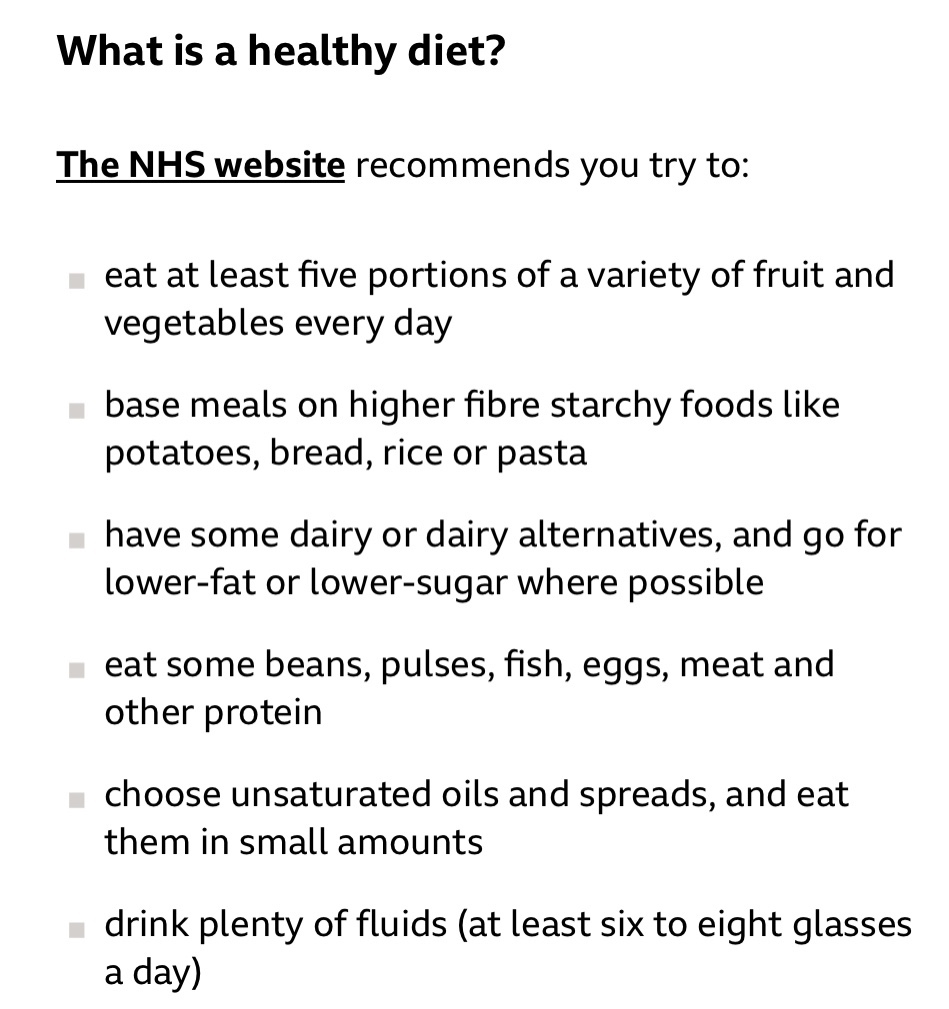
How do you fix your diet to take adequate fibre?

Fibre or roughage refers to anything that that can be taken by mouth and is not digested, bulks up the contents of the intestine and helps smooth evacuation of stools.

Having a diet that has plenty of fibre is good for health. Apart from preventing constipation, dietary fibre has a beneficial effect in lowering the risk for heart attacks and strokes, reducing the risk of diabetes, improving diabetic control in those already with diabetes and in preventing obesity. Modern dietary habits, based on the consumption of large amounts of refined cereals (grains) has very little fibre and therefore increases the risk of developing common lifestyle diseases such as obesity, dyslipidaemia, hypertension, diabetes and their complications.

What are the types of dietary fibre?

Dietary fibre comes predominantly in three forms namely, soluble fibre, insoluble, fibre and fermentable fibre.

Soluble fibre, dissolves in in water and puffs up, fills the tummy, promotes satiety (a feeling of being full, and therefore reduces hunger). It therefore helpful in those with diabetes and dyslipidaemia.

Insoluble fibre doesn’t swell up in water but tends to bulk up the intestinal contents, reduce intestinal transit times and helps quicker elimination from the body. Insoluble fibre is very important in maintaining intestinal health and preventing constipation.

Fermentable fibre can come from both the above groups and maintain a population of good bacteria in the gut. These are often referred to as pre-biotics (food for the good bacteria). Their digestion by intestinal bacteria (flora) results in short chain fatty acids (which can be used by the human host as an energy source) and is also converted to gas (methane, ammonia, hydrogen and carbondioxide.

So how much fibre do we need in our diets daily?

Most dietary institutes recommend 30 g of fibre for adults and reduced amount of fibre in children based on their ages.

While there is no upper limit to the amount of Phiber that can be consumed every day, it is recommended that any increase in dietary fibre is done gradually in order to prevent gas, bloating, constipation, diarrhoea and abdominal pain.

How do you fix your meals in order to have enough fibre daily?

This can be simply done by incorporating more green vegetables, taking more of whole fruit with skin, whole grains (instead of polished grains), plenty of lentils, and legumes(beans), a generous helping of nuts and also drinking plenty of water (upto 3 to 4 L per day).

By knowing how much fibre different foods and vegetables have, you can design your healthy meals with adequate fibre. Make sure that every meal has a fibre containing food in it just as you have proteins in every meal.

So what then is constipation?

Constipation refers to defecation that is unsatisfactory because of passing stools infrequently, needing to strain stools or with a feeling of incomplete bowel evacuation. Constipation could refer to for example, passing motions to 3 times a week only (not daily) or passing hard stools that are difficult to expel.

Why are people constipated?

People may be constipated because their diet does not contain adequate fibre or because of not taking enough fluids by mouth or because they dont exercise daily (and more so if they are elderly, bedridden or sick). Constipation can also occur due to the presence of medical conditions such as diabetes, hypothyroidism, kidney failure, high calcium levels, intestinal tumours especially cancers of the large bowel (causing partial or total obstruction), diverticular disease, neurological conditions such as Parkinson’s disease/Multiple Sclerosis etc. A variety of medications such as painkillers, antidepressants, iron tablets, antihistamines, certain antihypertensives, psychiatric medications and anti-seizure medications commonly cause constipation.

So how is constipation treated?

Before medication is tried, it is important to correct dietary deficiencies of fibre, inadequate water intake and being physically inactive. Medical conditions often stop patients from being able to do the above (patients with heart or kidney failure who can’t drink much water, patients with intestinal obstruction or inflammatory bowel diseases who cannot take fibre or those who can’t walk or exercise) may need laxatives to help them pass motions every day. Laxatives work by loosening the stools or relaxing the intestines thereby helping defecation.

So the most important thing to do would be to prevent constipation by fixing your diet by taking adequate fibre.

Do you need the help of medicines to help you win the battle of the bulge!?

Every family has someone who is overweight and all of us know someone who is obese. So in this article I am going to briefly touch upon what is overweight, what is obesity and what can be done to reduce weight. The BMI is a frequently used value to quantify obsity. The BMI is calculated by dividing the weight in kilograms by the height in metres, squared. Although not the most accurate or the best way, it has been used for many decades as measuring tool to determine ideal body weight and its relatrion to their height and build. So for a person who is 6 feet in height and and 85 kg in weight, the BMI would be calculated as follows:

BMI= Weight in Kg/(Height in Meters)2

= 85/ (1.85 X 1.85) = 24.8 kg/m2

Below is the BMI range for classifying people as normal, overweight and obese.

Normal – 20-25

Overweight – 25-30

Medical Obesity – 30-40

Surgical Obesity – >40

The above values that are mentioned are a little different for females and for people of Southeast Asian ancestry viz people from India, Sri Lanka, Pakistan and Bangladesh.

Before we go into talking about medications to help you lose weight, let’s talk about what I think is primary and mandatory for significant and consistent weight loss. Weight loss requires predominantly three things.

1. a diet of reduced calories

2. Regular daily “large volume” exercise. (1-3 hrs a day)

3. Regular daily measurements of body in the mornings after evacuating your bladder.

4. To document everything – daily weight, all foods eaten and duration and type of exercise done through the day because whatever is measured, improves!

The primary goal in any weight loss program is to develop a daily calorie deficit i.e. to consume fewer calories and to spend more calories by exercise. Put simply, if you can eat 300Kcal of less food every day and ensure a 400Kcal burn by exercising, you ensure a daily calorie deficit of 700Kcals/day = 3500Kcals a week (in the very least, over 5 days) and this will ensure a half Kg weight loss week and therefore a 2 Kg weight loss every month. In 10 months it should be possible to lose 20 Kg of weight.

Dietary interventions that I have seen work with people are:

1. Daily calorie, restricted diet – a low or ultra low calorie diet.

2. Meal replacement with low calorie, prepared meals. Avoidance of high calorie and calorie dense foods (fast foods, bakery foods, fried foods etc)

3. To replace Carbohydrates with proteins.

4. To take a completely different diet from what you have taken before such as a Paleo diet or Atkins diet.

5. Time restricted feeding and Intermittent fasting.

Do you have a daily exercise program for seven days a week!

To develop a daily habit of exercising, irrespective of the amount of time that you have free to do the exercise. And the person who wishes to lose weight must realise that every minute counts and that it is impossible to be unable to do atleast some exercise every single day e.g., if you cant do an entire session of exercise during your usual time, decide to do atleast some exercise, even if it is only for 5 min so as to build a definite routine and habit that will help your cause. These little habits of daily exercise can eventually be built upon to help you do more and more exercise over time.

Measurements measurements measurements! Why do you need to test yourself?

It is important to maintain a separate logbook where you can enter every thing that you have eaten in the day and also the exercise that you have done even if it’s only for five minutes, and at whatever time you done it , if you keep track of this every day every week, it will give you a clear picture of how well you doing and and will help you find ways of improving whatever you do.

Many doctors would prescribe weight loss medication only after the patient has been established on a reasonable low calorie diet and on a program of regular exercise. Without these two very important habits, the best of the medicines are doomed to fail.

So who should take weight loss drugs?

Generally people with a BMI of more than 30 or have a BMI greater than 27 AND a serious medical problem like diabetes or high blood pressure will be offered medication to help them lose weight. The target for treatment would be 12 to 15% weight reduction. Even 5 to 10% of body weight loss would make a tremendous difference and help improve the blood pressure or sugar control.

Six medicines are currently FDA approved for long-term use and weight loss.

1. Orlistat

2. Liraglutide

3. Semaglutide

4. Bupropion-Naltrexone

5. Setmelanotide

6. Phentermine-topiramate

These medicines are not for everyone as they do have some side-effects. The doctor should be able to take you through the pros, cons and cautions of the medicines and recommend the best medicine for you. Some of these medicines are only for adults, while some others can be used for children six years,12 years and older. Long-term treatment refers to treatment for more than three months and these medicines are usually given till at least 5% of your weight loss is noted over 3 to 6 months and if there is no weight loss, these medicines could be changed or even stopped. Surgery might also be an option and could be recommeded.

My advice for those wanting to go on a weight loss programme

1. Get a weight loss coach/mentor and do everything he/she tells you.

2. Dont ever negotiate the price that you will have to pay to reduce weight.

3. Be 100% honest. Say what you have done and do what you have said (that you would do)

4. Document what you have eaten and the exercise that you have done every day.

5. Show where and how you will fit in your new activities (diet/exercise etc) into your day. How will you reprioritize your daily schedule to accomodate the new activities?

In the news – June 2023

Sucralose damages DNA and is linked to a leaky gut.

Sucralose is 600 times sweeter than table sugar and is used in a variety of foods such as beverages, chewing gums, gelatin and in frozen desserts and baked goods. A new study reveals that sugar substitute Sucralose is extremely unhealthy and is requesting the government to regulate it more. The study showed that sucralose makes the DNA break apart putting people at risk for disease and also leads to a leaky gut syndrome that may cause burning pain, indigestion, gas, bloating and diarrhoea. Sucralose once ingested is converted to sucralose 6 acetate, which is believed to be toxic to the genes of the cells. The damage genes could lead to disease and even cancer and that is what we should be afraid of.

Use of aspirin has been tied to a reduced risk of colon cancer

Aspirin is a medicine used very frequently by most of us. It is commonly used to provide relief for a headache and more importantly by people who have heart and other circulation related diseases. A recent study done has shown that regular use of aspirin brings about a 15% reduction of all Colonic adenomas and a 33% reduction in adenomas with worrisome features. Aspirin has also been shown to be good in preventing dementia. The good effects of aspirin need to be balanced against the potential side-effects, the most worrying being of intestinal bleeding.

Cooler climate can help you live longer

A recent article states at moderately cold temperatures can improve your lifespan and reduce your chances of developing age related diseases such as Dementia, Parkinsons disease and others. Cold weather activate the cellular cleaning mechanisms which removes chains/clumps of proteins inside the cells that may be responsible for cellular dysfunction, organ dysfunction and eventually disease of ageing. Therefore a moderate drop in the temperature might have significant benefits. So we may now have good medical reasons to shift base from Chennai to the colder climes of Ooty and Kodaikanal.

Do adults also need routine Vaccinations?

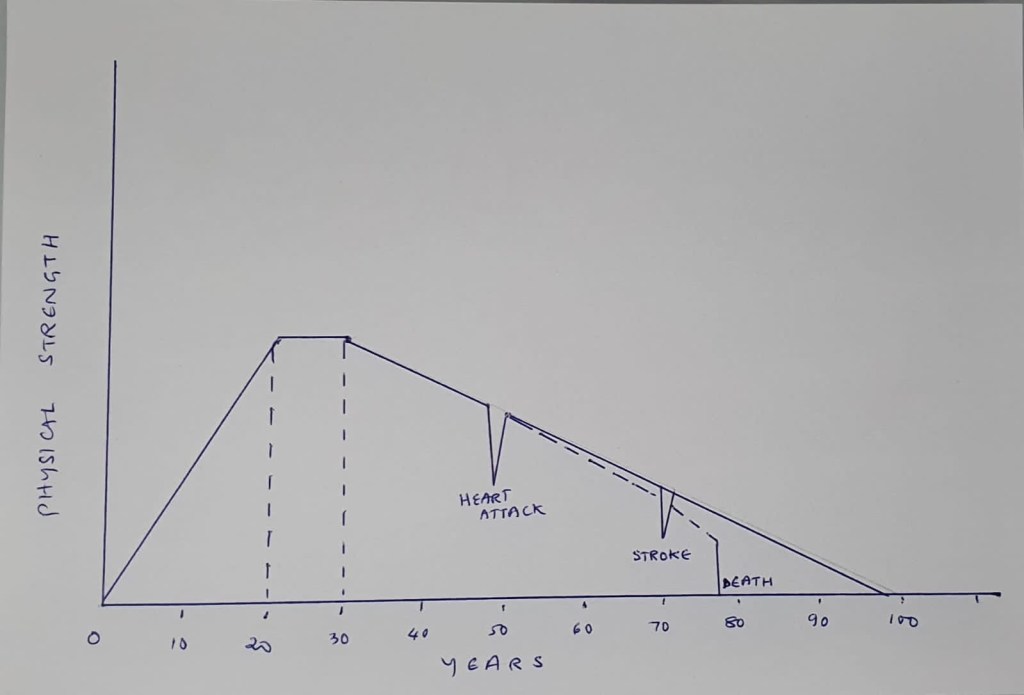
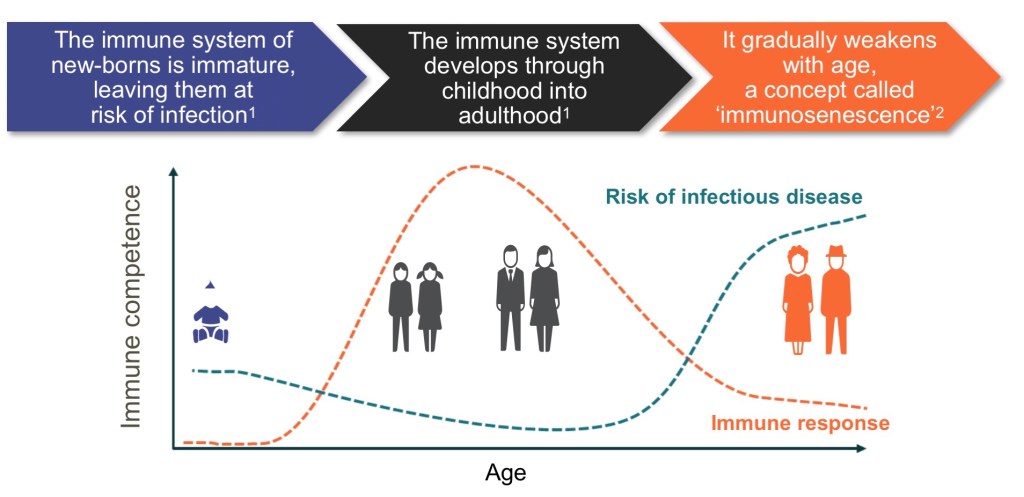
It’s not only children who need to be vaccinated. Even adults need vaccinations to boost their immunity against common infections and to help them stay healthy. It is a commonly held belief that in terms of physical strength from birth, human beings reach a peak at age of 20, maintain it between the ages of 20 to 30 after which it is all downhill.

A similar phenomenon happens with regards to our body’s immunity against infections and it is referred to as immuno-senescence. This usually occurs after the age of 50 yrs. Young children and adults build up their immunity by acquiring infections and by vaccinations. This keeps them protected. Immunosenesence affects all parts of the immune system,both the cellular arm as well as the humoral (antibody) arm reducing their ability to produce antibodies as well as the ability to gobble up bacteria and digest them.

Recently, after the Covid pandemic, talk about vaccinations seems to upset many people. Many believe that vaccines are a gimmick and are employed by the pharmaceutical industry and doctors only to make money. Many others also believe that vaccinations have some common and terrible side-effects and therefore must be avoided at all cost. What must be recognised is that except for the Covid vaccines most vaccines have been vigorously evaluated for safety, potency, side-effects and have taken many years to be developed. But even Covid vaccines have been shown to reduce the pneumonia to just a mere flu like illness! While I am not denying the the possibility of side-effects to the vaccines, it is my opinion that vaccines have a significant benefit in keeping people healthy and away from hospitals!

Why are vaccines important?

Vaccines are the most important methods of improving our immunity against specific infections. If people stop taking vaccines, it could possible lead to the increase in previously uncommon infectious diseases. Vaccinations have ensured that quite a few diseases have been eradicated or completely suppressed. Smallpox is no longer prevalent in the world. Many other infections like polio are less of a problem today than they were in the past. Therefore, you cannot deny that vaccines have made a big difference. The WHO says that vaccine hesitancy as one of the biggest threats to global health (when people who have access to vaccines delay accepting or refuse the vaccine).

How to look at Vaccines?

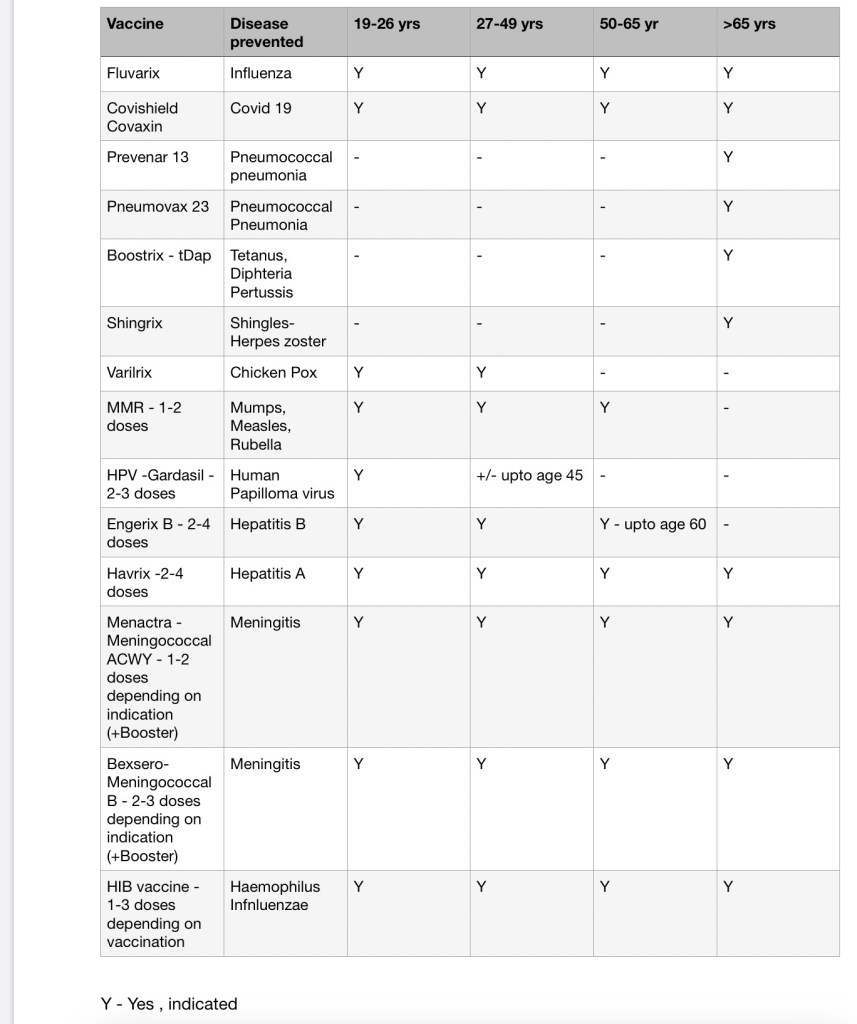
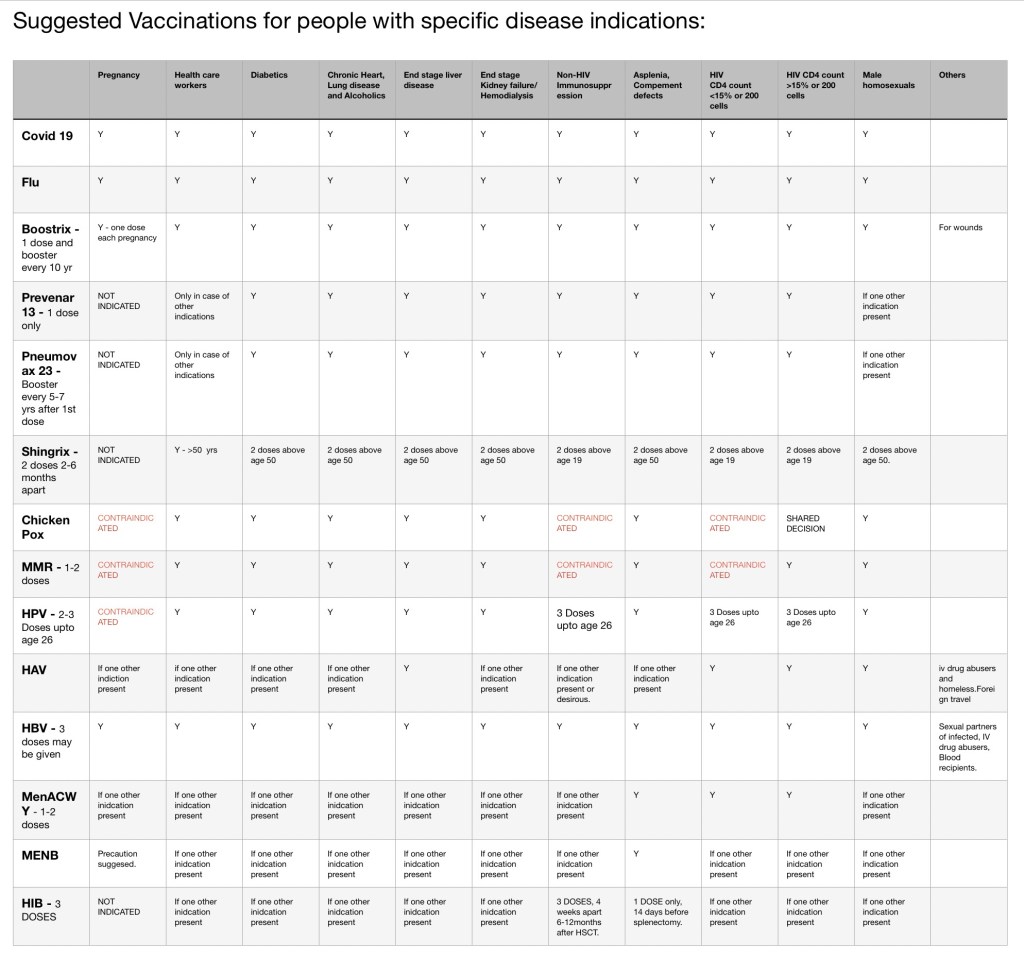
Do we ask if vaccines are needed for our children. A majority of the vaccines are given to our children without us referring to google or questioning the rationale because childhood vaccination as they have stood the test of time. Vaccinations has been proven beyond doubt to be helpful and necessary to have healthy children. However, of late the medical fraternity is getting the same amount of confidence to recommend certain vaccines to adults i.e., those above the age of 60-65 yrs and younger especially when they have certain disease conditions. In one study done in the US on those above the age of 60 yrs who received “routine” adult vaccinations and were then followed up for 10 yrs, showed a 40% reduction in pneumonias, 40 % reduction of heart attacks (which often happen after a pneumonia) and a 40% reduction of hospitalization and all cause mortality. This changed my perspective completely! There are 6 vaccines (if Covid is included) that must be offered to those above the age of 65 yrs routinely and for those above 60 if they have specific diseases.

Below are the vaccinations that are recommended for adults based only on age.

Vaccines recommeded based on Age criteria alone.

Contact me for any clarifications!

The low down on Osteoporosis

1 in 2 women and 1 in 5 men above age of 50 suffer a osteoporosis related fracture in their lifetime. Bone mineral density is a balance between osteoclastic resorption and osteoblastic formation. Numerous hormonal and dietary factors influence the balance between bone production and resorption. However Osteoclasts work faster than osteoblasts leading to bone loss after menopause. Osteoporosis is typically asymptomatic until a fracture occurs, spine and hip fractures are the most common.

What are the risk factors for osteoporosis?

Advancing age (>70 yr), previous fragility fractures, steroid therapy, parental history of hip fractures, low body weight (BMI <20-25), current cigarette use, excessive alcohol consumption physical inactivity are risk factors for osteoporosis.

What are the medical conditions that are associated with osteoporosis?

Endocrine conditions such as hyperthyroidism, hyperparathyroidism, Diabetes mellitus, steroid excess, hypogonadism (primary or secondary to Androgen deprivation therapy), Systemic conditions such as malabsorption (Inflammatory bowel disease, Primary biliary cirrhosis and after gastric bypass surgery), malignancies (myeloma and mastocytosis), Chronic kidney failure, chronic lung disease (COPD), Rheumatogic conditions and drugs such as anticonvulsants, steroids, aromatase inhibitors, cancer chemotherapy, heparin, lithium and hormonal (antihormonal) therapies and infections such as HIV are associated with Osteoporosis.

How is Osteoporosis diagnosed?

Osteoporosis is diagnosed based on the DEXA scan and using an online tool called the FRAX score.

Who should be screened for osteoporosis?

Women older than 65yr and men above 70yrs should be screened. If the age is between 50-69, they can be screened if they have risk factors or if they suffer from conditions mentioned above that cause osteoporosis.

How is the DEXA scan interpreted?

The DEXA scan gives two values, the T score and the Z score (which is the score matched to age and gender). The Z score is used when the DEXA is done for men <50 yrs of age, healthy premenopausal women and children. (Z score of -1 to -2.5 indicate Osteopenia and > -2.5 indicate osteoporosis)

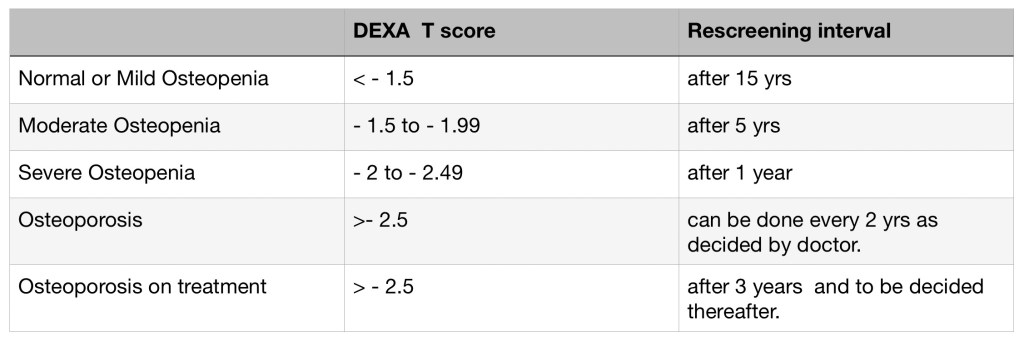
How frequently should the DEXA scan be done?

The recommedatons for the frequency of the DEXA scan is based the result.

How do you interpret the FRAX score?

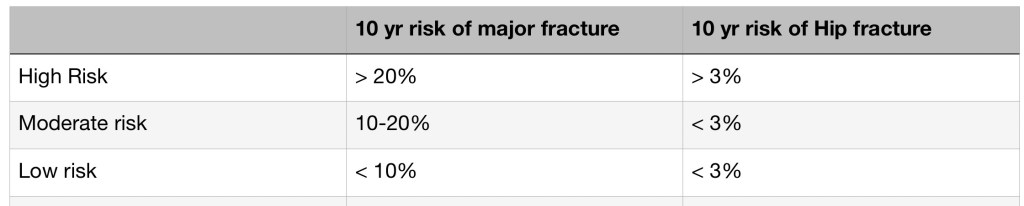
The T score from the DEXA scan can be misleading as it has been validated only on white women and may not be accurate for others. The WHO therefore developed the FRAX score which gives an estimate of the 10 yr risk of an osteoporotic fracture and could help planning appropriate treatment for the condition.

How is Osteoporosis treated?

1. To correct lifestyle risk factors: patients must be encouraged to eat healthy, stop cigarette smoking and take alcohol in moderation, to exercise regularly (antigravity exercises) and weight loss. A fall assessment must be made and all possible interventions to prevent falls must be made.

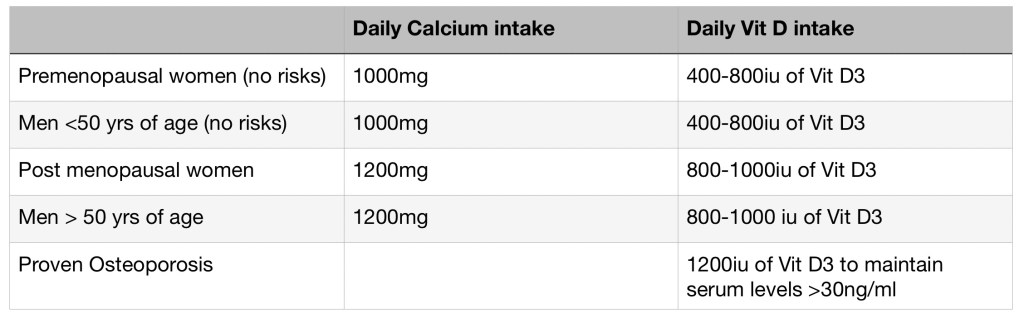
2. Calcium and Vit D supplementation: as below

3. Medical management of Osteoporosis?

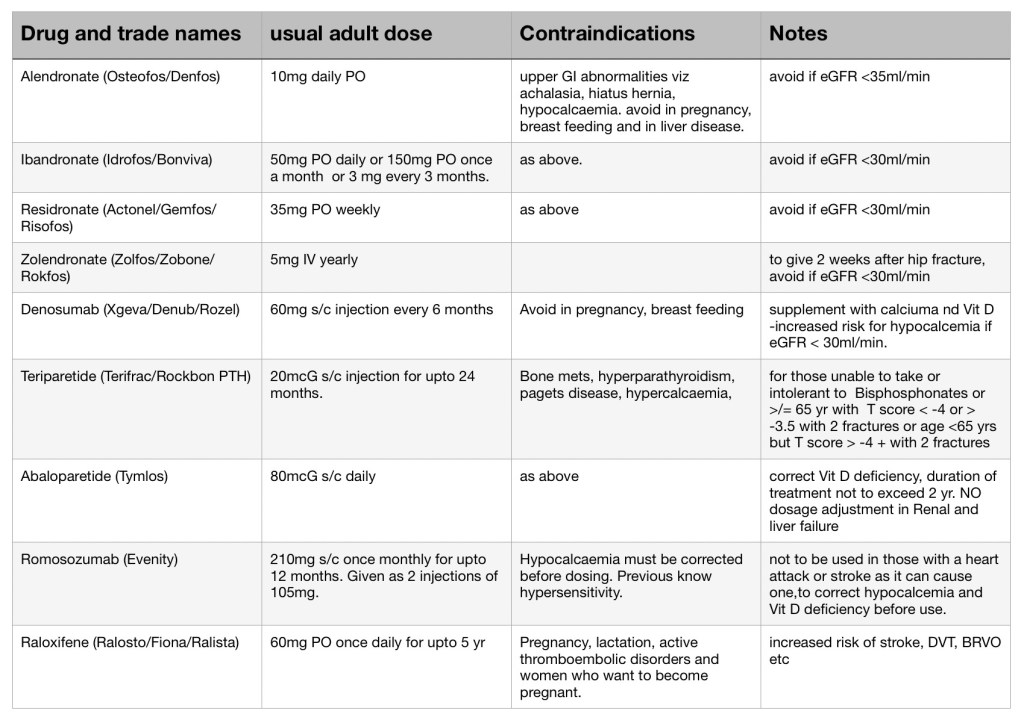
Initial management would include resorption inhibitors call bisphosphonates. Oral medications include Alandonate, Residronate and Ibandronate. Annual intravenous medications are also available such as Zolendronate. Those intolerant to Bisphosphanates or unresponsive or have contraindications can be started on Denosumab which is a monoclonal antibody directed towards the osteoclast and therefore reduces bone resorption. Denosumab course must be followed by bisphosphonate therapy. Bisphosphonate therapy isnt forever. Oral bisphosphonates must be stopped after 5 yrs and i.v Zolendronate must be stopped after 3 yrs of use (3 annual doses).

If antiresorptive therapy doesnt help anabolic agents such as Teraparatide, Abaloparatide or Romosozumab and Estrogen antagonist such as Raloxifene can be tried. Teriparetide must be stopped after 12-26 months of continuous use and must be followed up with Bisphosphonate therapy.